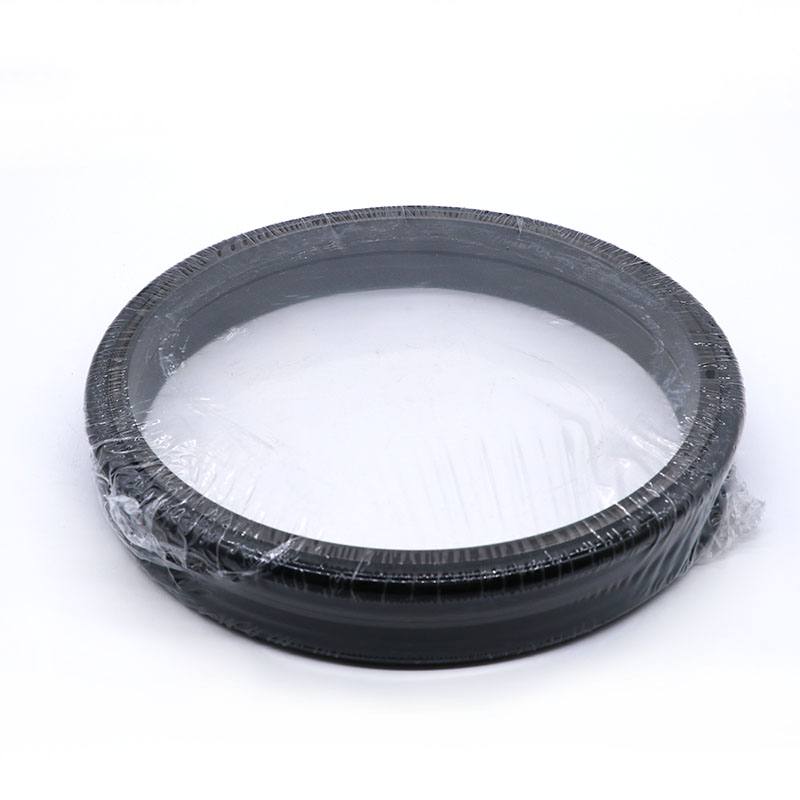
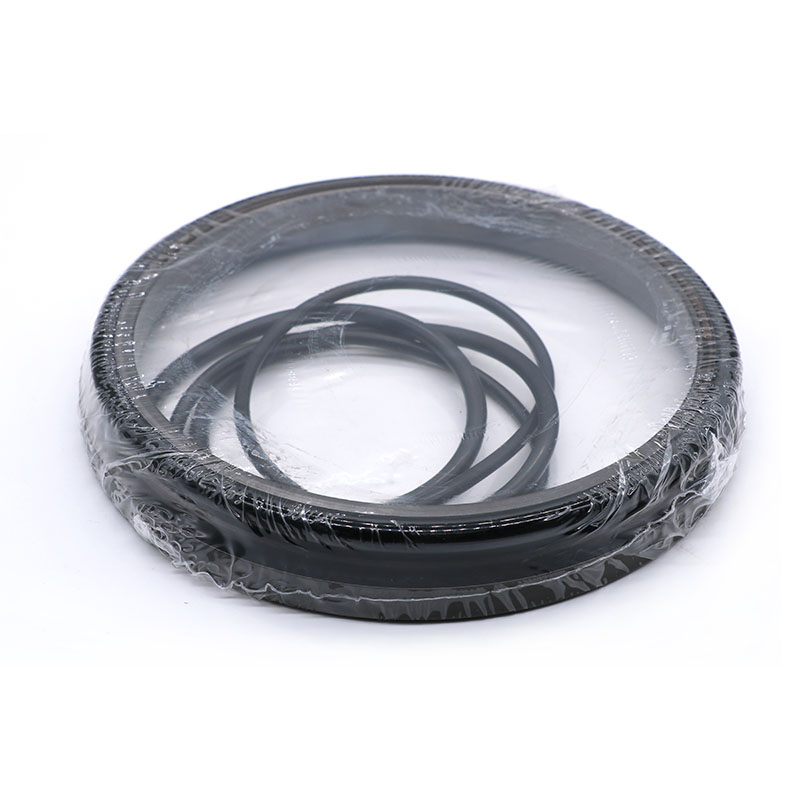
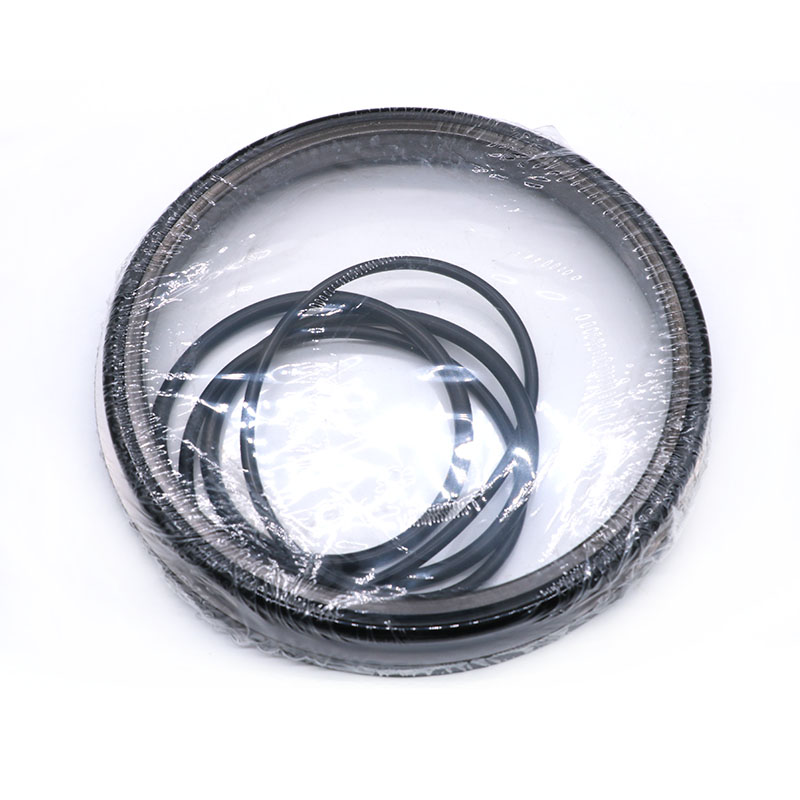
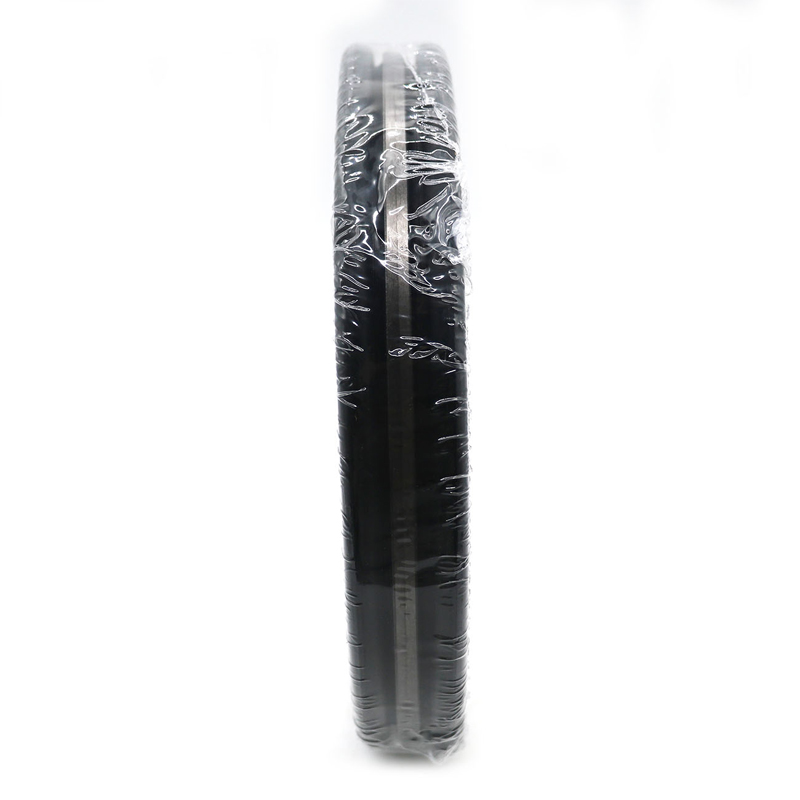
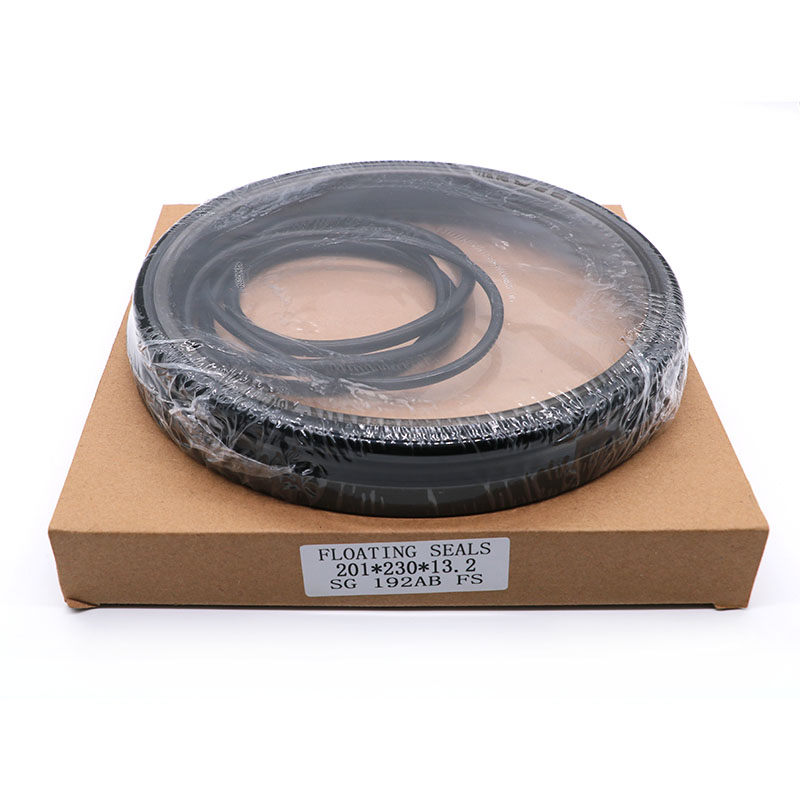
The floating seal is a heavy-duty mechanical face seal consisting of two identical metal seal rings and two rubber O-rings . The metal rings provide the wear-resistant sealing surface, while the rubber O-rings provide the energizing force to keep the metal faces in contact. This design makes floating seals ideal for severe working conditions with sand, dirt, water, and other contaminants .
SANPING SEAL – Engineering Machinery High-End Seals – 17 Years Export Expertise
Product Overview
The floating seal (also known as duo cone seal or mechanical face seal) is a specialized mechanical seal designed for low-speed, heavy-load applications . Unlike standard oil seals that contact the shaft, the floating seal uses two metal rings that seal against each other at their lapped faces. The rubber O-rings support the metal rings and provide the axial force needed to maintain contact between the sealing faces .
The term "floating" comes from the fact that the metal rings are not fixed to the shaft or housing. Instead, they "float" on the rubber O-rings, allowing them to automatically compensate for shaft misalignment, end play, and thermal expansion .
How It Works
When assembled, the two rubber O-rings are compressed between the metal rings and the housing bores. This compression creates an axial force that presses the two metal rings together at their lapped sealing faces. One metal ring rotates with the shaft, while the other remains stationary in the housing. The two lapped faces slide against each other with a thin oil film, providing effective sealing while allowing rotation .
As the sealing faces wear over time, the rubber O-rings continue to provide pressure, automatically compensating for wear and maintaining the seal .
Specifications and Parameters:
Minimum order: 10 boxes
| Parameter |
Detail |
| Product Name |
Floating Seal / Mechanical Face Seal |
| Seal Ring Material |
Alloy cast iron / Chrome-molybdenum cast steel |
| Seal Ring Hardness |
58-72 HRC |
| O-Ring Material |
NBR, HNBR, FKM, Silicone |
| O-Ring Hardness |
60-65 Shore A |
| Working Pressure |
≤ 0.3 MPa (3 bar) |
| Temperature Range (NBR) |
-40°C to +100°C |
| Temperature Range (HNBR) |
-30°C to +150°C |
| Temperature Range (FKM) |
-10°C to +200°C |
| Maximum Speed |
2-3 m/sec |
| Sealing Face Roughness |
≤ Ra 0.1μm |
| Seal Life |
4,000+ hours |
Product Features
1. Excellent Contamination Resistance
The floating seal is specifically designed for severe environments with sand, mud, water, and other abrasive contaminants. The metal sealing faces effectively block external debris while retaining internal lubricating oil .
2. Automatic Wear Compensation
As the metal sealing faces wear over time, the rubber O-rings continue to provide axial force, maintaining proper contact pressure and ensuring continued sealing performance .
3. High Surface Hardness
The seal rings are made of special alloy cast iron or chrome-molybdenum cast steel with a hardness of 58-72 HRC, providing excellent wear resistance and long service life .
4. Self-Centering / Floating Capability
The metal rings are supported by rubber O-rings, allowing them to "float" and automatically adjust to shaft misalignment, vibration, and end play .
5. Simple Two-Part Construction
With only two metal rings and two rubber O-rings, the floating seal is simple to install and highly reliable with minimal maintenance requirements.
6. Wide Size Range
Available for shaft diameters from 38mm up to 429mm or larger .
Applications
Floating seals are widely used in construction, mining, and agricultural machinery:
Undercarriage Components:
● Track rollers
● Carrier rollers
● Idlers
● Track adjusters
● Final drives
● Travel motors
Other Heavy Equipment Applications:
● Excavators
● Bulldozers
● Loaders
● Backhoe loaders
● Compact track loaders
● Skid steer loaders
● Mining equipment
● Agricultural machinery (tractors, combines)
● Conveyors and mixers
Why Choose SANPING SEAL?
17 Years of Export Expertise
Guangzhou Sanping Machinery Co., Ltd., established in 2009, has served customers across South Asia, Southeast Asia, Africa, South America, the Middle East, and Europe.
Specialized Focus
We concentrate exclusively on engineering machinery high-end seals, ensuring we understand your equipment applications better than general seal suppliers.
Quality Guarantee
Every order follows our two-step quality process: pre-production sample testing before mass production, and final inspection before shipment.
Frequently Asked Questions (FAQ)
Q: What is the difference between a floating seal and a regular oil seal?
A: A regular oil seal contacts the rotating shaft with a rubber lip. A floating seal uses two metal rings that seal against each other, offering much better contamination resistance and longer life in severe conditions .
Q: What rubber materials are available for the O-rings?
A: We offer NBR (standard, -40°C to +100°C), HNBR (high temperature, -30°C to +150°C), and FKM/Viton (high temperature and chemical resistance, -10°C to +200°C) .
Q: What is the typical service life?
A: Under normal operating conditions, floating seals typically last 4,000 hours or more .
Q: What is the maximum working pressure?
A: The maximum working pressure is 0.3 MPa (3 bar) .
Q: Can these seals replace OEM parts?
A: Yes, our floating seals are manufactured to OEM specifications and are compatible with major brands including Komatsu, Caterpillar, Hitachi, CASE, and others.
Q: What are your payment terms?
A: We accept T/T (bank transfer), L/C, MoneyGram, Western Union, and cash.