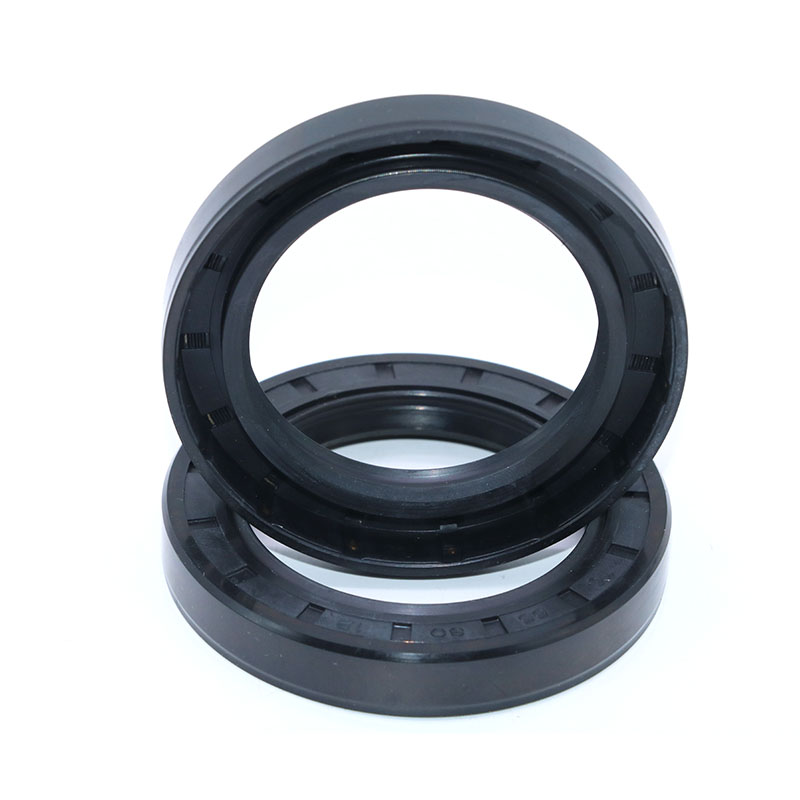
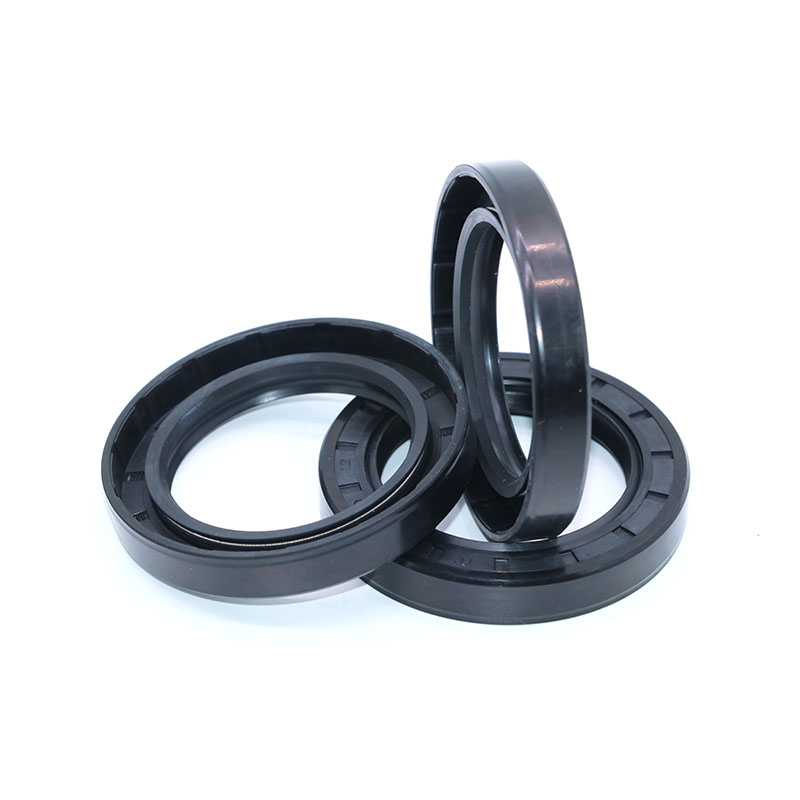
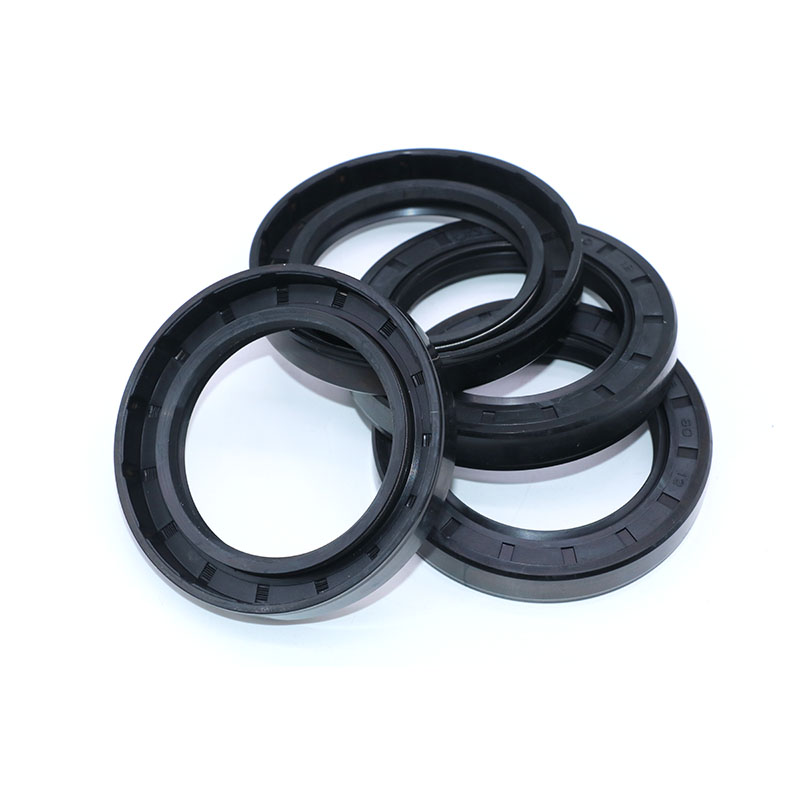
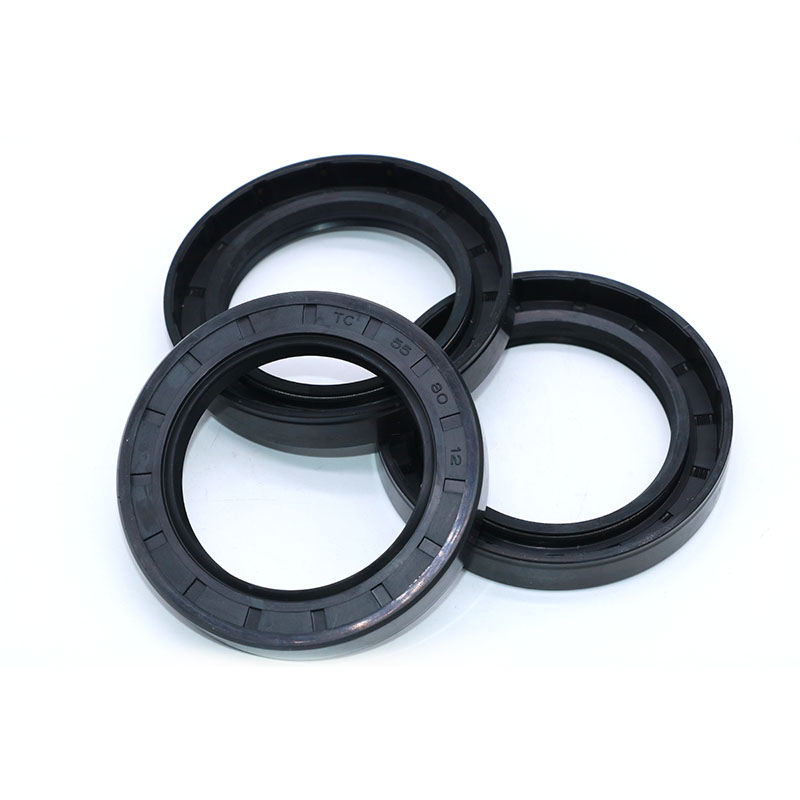
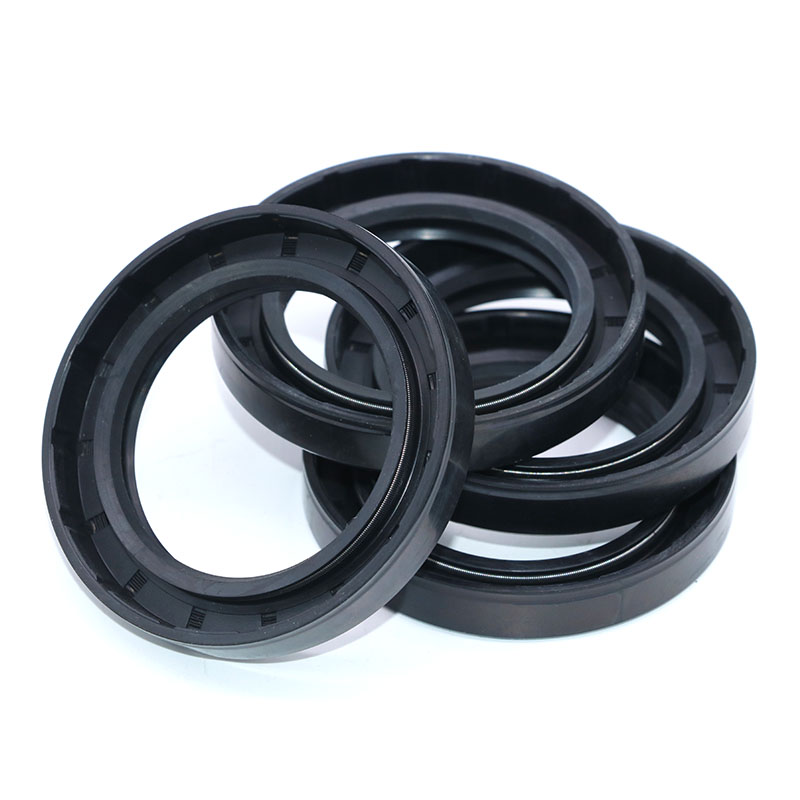
The TC oil seal is the most widely used double lip skeleton oil seal in the industry . It consists of a rubber body fully bonded to a metal skeleton, a primary sealing lip with an integrated garter spring, and an additional dust lip . The double lip design provides both oil retention and contamination exclusion, making TC seals the standard choice for rotating shaft applications in engineering machinery, automotive, and industrial equipment.
SANPING SEAL – Engineering Machinery High-End Seals – 17 Years Export Expertise
Product Overview
The TC oil seal is the most widely used double lip skeleton oil seal in the industry . It consists of a rubber body fully bonded to a metal skeleton, a primary sealing lip with an integrated garter spring, and an additional dust lip . The double lip design provides both oil retention and contamination exclusion, making TC seals the standard choice for rotating shaft applications in engineering machinery, automotive, and industrial equipment.
How It Works
In its free state, the TC seal's inner diameter is smaller than the shaft diameter, creating an interference fit . When installed, the spring-loaded primary lip maintains constant radial pressure against the rotating shaft. The secondary dust lip rides lightly on the shaft, blocking external contaminants. The rubber-covered outer diameter ensures a tight static seal even in rough housing bores .
Double Lip Design
The double lip configuration is the defining feature of the TC seal :
● Primary (Oil) Lip: Prevents internal oil or grease from leaking out; equipped with a garter spring to maintain sealing pressure
● Secondary (Dust) Lip: Keeps external contaminants like dust, mud, and water from entering the equipment
Specifications and Parameters
| Parameter |
NBR Material |
FKM/Viton Material |
| Hardness |
70-75 Shore A |
75 Shore A |
| Temperature Range |
-40°C to +120°C |
-20°C to +250°C |
| Working Pressure |
≤ 0.05 MPa (0.5 bar) |
≤ 0.05 MPa |
| Shaft Speed |
≤ 10 m/s |
≤ 25 m/s |
| Shaft Diameter Range |
5mm to 500mm+ |
5mm to 220mm |
| Color |
Black, Blue |
Brown, Red-brown |
Available Rubber Materials
● NBR (Nitrile Rubber) – Standard material for mineral oils, excellent oil resistance and abrasion resistance, temperature range -40°C to +120°C
● FKM (Viton/Fluororubber) – High temperature resistance up to 250°C, excellent chemical resistance for aggressive fluids
● HNBR – Improved heat and abrasion resistance, -30°C to +150°C
● Silicone (SI) – For extreme low-temperature or food-grade applications
Product Features
1. Double Lip Sealing
The primary lip seals oil inside while the secondary lip keeps contaminants out, providing complete protection for rotating shaft applications .
2. Rubber Covered Outer Diameter
The fully rubber-coated outer diameter ensures a reliable static seal even when housing bores have rough surfaces or minor damage .
3. Spring-Loaded Primary Lip
The garter spring maintains constant radial force on the shaft, automatically compensating for lip wear over time .
4. Excellent Contamination Resistance
The dust lip effectively blocks external dust, mud, water, and other contaminants from entering the equipment, making TC seals ideal for harsh environments .
5. Wide Material Selection
Available in NBR (standard), FKM (high temperature), HNBR (improved durability), and silicone (low temperature) to suit various operating conditions.
6. Broad Size Range
Available for shaft diameters from 5mm to over 500mm, with both metric and inch sizes .
Applications
TC oil seals are widely used across engineering machinery, automotive, and industrial equipment :
Construction Machinery:
● Excavators (final drives, engines, hydraulic pumps)
● Loaders (transmissions, axles, wheel hubs)
● Bulldozers (undercarriage, final drives)
● Forklifts, cranes, and hydraulic breakers
Automotive Applications:
● Engines (crankshaft, camshaft)
● Transmissions and differentials
● Wheel hubs and axles
Industrial Equipment:
● Gearboxes and reducers
● Pumps and compressors
● Electric motors
● Agricultural machinery
Other Applications:
● Marine equipment
● Railway vehicles
● Petrochemical plants
Product Advantages
1. Most Widely Used Oil Seal Type
TC is the industry standard skeleton oil seal, readily available in thousands of sizes and compatible with equipment from all major brands .
2. Effective Contamination Exclusion
The dust lip provides superior protection against external contaminants compared to single lip seals .
3. Versatile Operating Conditions
Suitable for both high-speed (up to 25 m/s) and low-speed applications, with pressure ratings suitable for most rotary shaft sealing needs.
4. Easy Installation
Standardized design allows for straightforward installation when proper procedures and tools are used.
Why Choose SANPING SEAL?
17 Years of Export Expertise
Guangzhou Sanping Machinery Co., Ltd., established in 2009, has served customers across South Asia, Southeast Asia, Africa, South America, the Middle East, and Europe.
Specialized Focus
We concentrate exclusively on engineering machinery high-end seals, ensuring we understand your equipment applications better than general seal suppliers.
Quality Guarantee
Every order follows our two-step quality process: pre-production sample testing before mass production, and final inspection before shipment.
Frequently Asked Questions (FAQ)
Q: What does "TC" mean in oil seals?
A: TC indicates a rubber covered double lip oil seal with a garter spring . The rubber cover provides better static sealing, the double lip seals both oil and dirt, and the spring maintains radial pressure.
Q: What is the difference between TC and SC oil seals?
A: TC has a rubber covered outer diameter and double lips. SC (single lip) has only the primary oil lip without the dust lip, and may have a metal outer diameter.
Q: What rubber materials are available?
A: We offer NBR (standard, -40°C to +120°C), FKM/Viton (high temperature, -20°C to +250°C) , HNBR (high durability), and silicone (low temperature).
Q: What is the working pressure limit?
A: TC seals are designed for low pressure applications up to 0.05 MPa (0.5 bar) . For higher pressures, specialized high-pressure seals are required.
Q: Is this seal suitable for dusty environments?
A: Yes, the double lip design (TC type) is specifically intended for applications where external dust is present . For clean environments, a single lip seal may suffice.
Q: What shaft surface finish is required?
A: A ground finish of Ra 0.2–0.8 μm is recommended, with no spiral lead marks that could pump oil out .
Q: What are your payment terms?
A: We accept T/T (bank transfer), L/C, MoneyGram, Western Union, and cash.